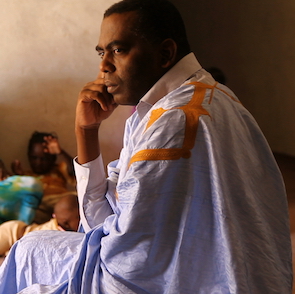
Biram Dah Abeid
Each year, the Department of State honors individuals around the world who have devoted their lives to the fight against human trafficking. These individuals are NGO workers, lawmakers, police officers, and concerned citizens who are committed to ending modern slavery. They are recognized for their tireless efforts—despite resistance, opposition, and threats to their lives—to protect victims, punish offenders, and raise awareness of ongoing criminal practices in their countries and abroad.
Founded in 2011, the James Lawson Award for Achievement in the Practice, Study or Reporting of Nonviolent Conflict is presented annually during the ICNC Summer Institute. It is awarded to practitioners, scholars, international actors and journalists whose work serves as a model for how nonviolent resistance can be developed, understood and explained.
"IRA-Mauritania stands up for people who are marginalised and excluded, and in this way it makes an important contribution to the battle against slavery."
- Bert Koenders, Minister of Foreign Affairs, The Netherlands
The United Nations Prize in the Field of Human Rights is an honorary award given to individuals and organizations in recognition of outstanding achievement in human rights. The Prize is an opportunity not only to give public recognition to the achievements of the recipients themselves, but also to send a clear message to human rights defenders the world over that the international community is grateful for, and supports, their tireless efforts to promote all human rights for all.
“It is entirely fitting that we honour Biram Dah Abeid's work to end slavery in Mauritania in this room dominated by the statue of Daniel O'Connell - the liberator - the man who worked to end Ireland's own version of slavery with the ending of the penal laws and Catholic emancipation. Biram Dah Abeid follows in those heroic footsteps”
- Mary Lawlor, Executive Director, Front Line Defenders
The specific nature of the Mauritanian case smacks of irony. Despite a relatively explicit law against the traffic and exploitation of human beings, slave drivers can, at the drop of a hat, fall back on the inherent nature of hegemony.
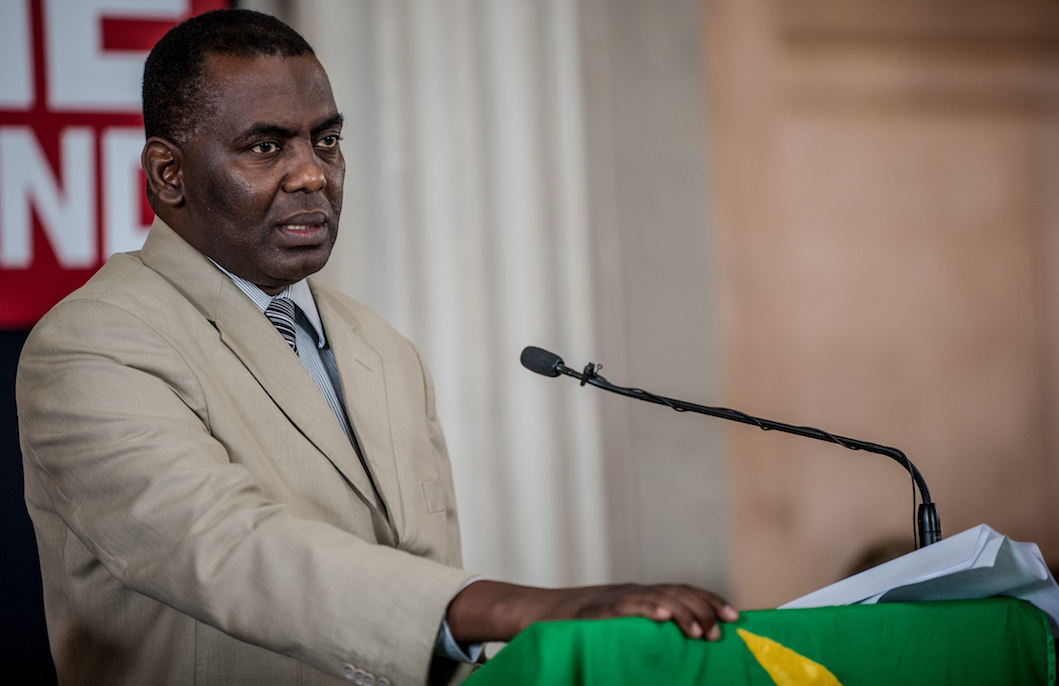
In the eyes of these oppressors, who are resistant to change, the claiming of racial equality and equality of birth status among citizens is a complete taboo.
Biram Dah Abeid is a Mauritanian human rights defender and President of the anti-slavery NGO Initiative pour la Résurgence du Mouvement Abolitionniste (IRA). He is targeted by the authorities because of his work and criticism of the seeming lack of effort by the government to end slavery and trafficking. Biram Dah Abeid was the recipient of the 2013 Front Line Award for Human Rights Defenders at Risk.
The human rights defender is a descendant of former slaves, and has worked all his life to change the culture of impunity regarding slavery in Mauritania. Although slavery was officially abolished in Mauritania in 1981, it still exists in all but name. According to Biram Dah Abeid, descendants of former slaves are subject to unfair treatment and poor working conditions where they are deprived of their basic human rights. The IRA was founded in response to this culture of impunity, with the goal of fully eradicating the practices of slavery.

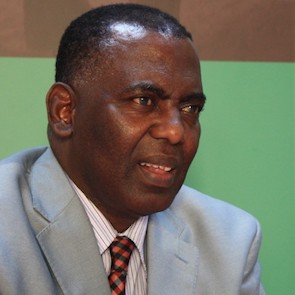
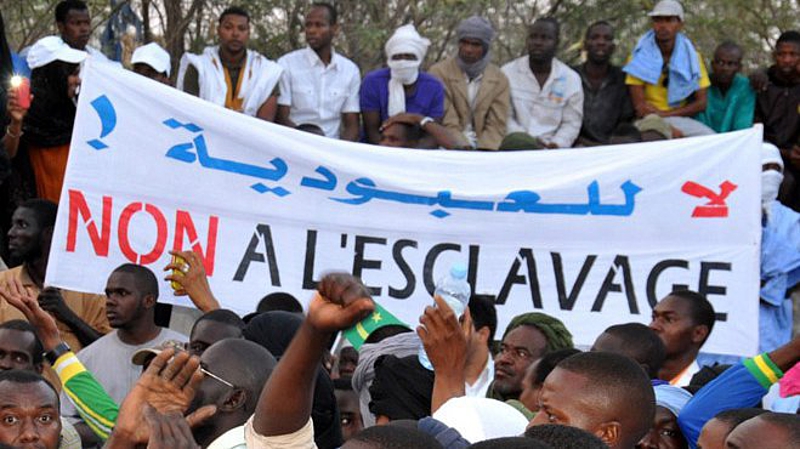
Anti-slavery activists in Mauritania have been the subject of repeated acts of harassment and intimidation by the authorities. In 2011, several human rights defenders working on the issue were arrested and some of them sentenced to prison terms.

