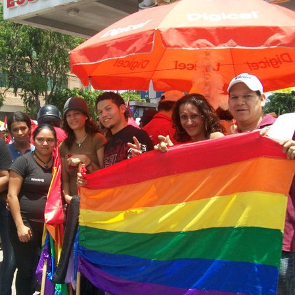
Arcoiris
What gives us hope and strength on a daily basis is the people I work with, the people who say we need to bring about changes, the people who tell us they dream of being happy in this country
Asociación Arcoiris is an organisation that provides support to LGBTI persons victims of violence, works on awareness initiatives, promotes HIV prevention programmes and lobbies the Honduran government to advance LGBTI rights in the country. It was established in 2003 and it is based in Tegucigalpa. Arcoíris has continued to operate in Honduras in spite of increasingly extreme levels of violence faced by LGTBI rights defenders. Between June 2015 and January 2016, six of its members were killed, with several more subjected to physical assault, intimidation and threats.

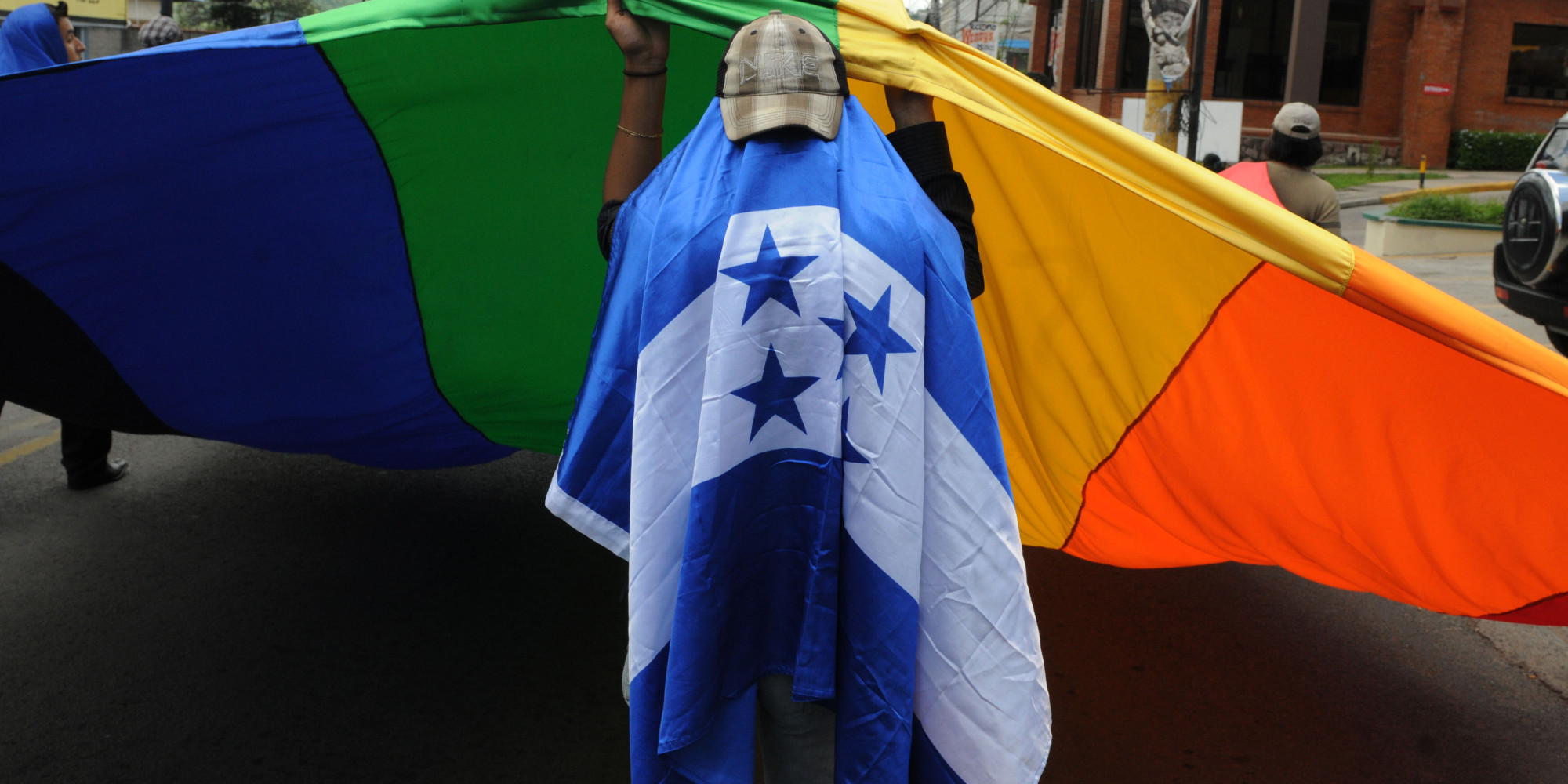
Human rights defenders in Honduras suffer extrajudicial executions, enforced disappearances, torture and ill-treatment as well as judicial harassment, threats and stigmatisation. Journalists, lawyers, prosecutors, those defending the rights of women, children, the lesbian, gay, bisexual, transgender and intersex (LGBTI) community, indigenous and Afro-Honduran communities, and those working on environmental and land rights issues are particularly at risk. LGBTI defenders in Honduras are doubly discriminated against: they are discriminated firstly because they are human rights defenders and secondly because they defend LGBTI rights.

