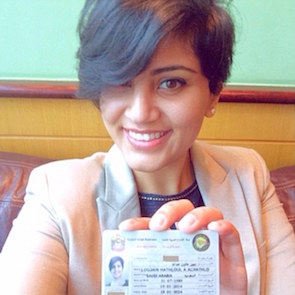
Loujain Al-Hathloul
Loujain AlHathloul was one of the leading figures of the Women to drive movement and advocated for the end of the male guardianship system. She was imprisoned in 2018 on charges related to national security together with several other women activists. Tortured, denied medical care, and subjected to solitary confinement, Loujain was sentenced to 5 years and 8 months in prison on 28 December 2020.
Two Saudi Women Arrested for Defying Driving Ban to be Sent to Terror Court
Loujain Al-Hathloul is a women's rights defender who has advocated for the right for women to drive in Saudi Arabia. She actively participated in the 26 October Saudi Women Driving Campaign and she posted videos of herself encouraging women to drive their cars within the context of this campaign in 2013.


Human rights defenders, activists and individuals who criticise government policies or express dissent or diverging opinion to those of the authorities are subjected to harassment, surveillance, arbitrary detention, smear campaigns, prolonged and unfair trials. Family members of HRDs are also targeted and subjected to intimidation and harassment at the hands of the authorities.

