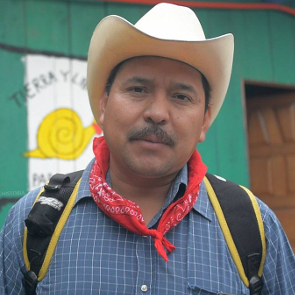
Mario Luna Romero
The dualities are generated by the Government to continue to handle these groups that the people reject. It seeks to divide and rule. It is difficult to talk to these people practically addicted to lying.
Mario Luna Romero is the Secretary of the traditional authorities of the Vicam town of the Yaqui tribe in Sonora. The human rights defender is also the spokesperson for the Yaqui tribe and others, defending their rights in the context of the construction and operation of the Independence Aqueduct. The community has been working to prevent the diversion of water from the Yaqui river, over which the tribe has 50% ownership, to the Independence Aqueduct.

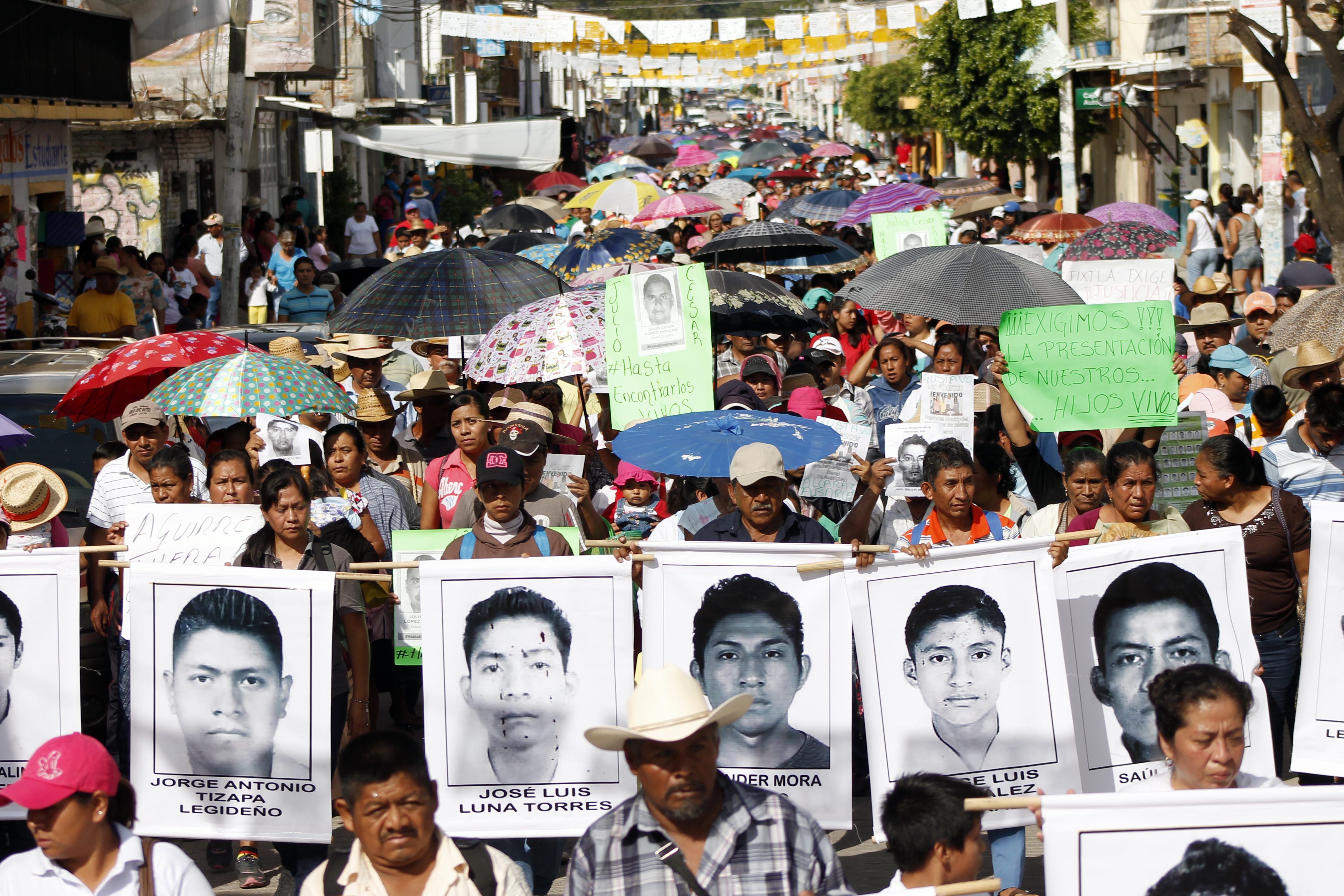
Human rights defenders (HRDs) and journalists in Mexico are subject to intimidation, legal harassment, arbitrary detention, death threats, acts of physical aggression, enforced disappearances and killings as a result of their activities in defence of human rights and the exercise of freedom of expression and journalism.

