Case History: Zoraida Hernández Pedraza
Throughout all of her career in the defence of human rights, Zoraida Hernández Pedraza has been subjected to constant threats and acts of intimidation against her. The level of harassment and danger to her life increased severely between 2011 and 2012 forcing her to move out of the country with her family.
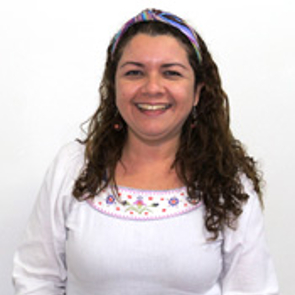 Zoraida Hernández Pedraza has worked as a lawyer and human rights defender for almost two decades. In 2012 she was nominated for the National Prize for the Defence of Human Rights in Columbia, in the category of Best Defender. S
On 14 April 2011 the home of human rights lawyer and land rights activist, Ms Zoraida Hernández Pedraza, was subjected to an attempted break-in by two unidentified men while her and her family were present.
On 14 April 2011, at approximately 7:30 pm, two men reportedly broke into the residential complex where Zoraida Hernández Pedraza lives. They reached as far as the balcony of her home and broke the lock on the door, however due to additional security on the door the intruders were unable to enter further. It was reported that the additional security, combined with calls for assistance from the human rights defender and her family, deterred the attackers and they fled the scene.
It is reported that at the time of the incident the internal phone systems were down, which prevented any immediate communication with residential complex security personnel. However, the system was operational again minutes after the perpetrators had fled the scene. This act of intimidation carried out against Zoraida Hernández Pedraza is one of many incidents of aggression against leaders and organisations involved in land rights in recent times.
On 3 March 2011, Corporación Sembrar relinquished their State-provided security detail, an armoured vehicle and bodyguards, due to their determination that until such time that the Colombian authorities address political issues relating to the continued insecurity for human rights defenders, protection measures provided through the State programme cannot effectively protect those at risk. Corporación Sembrar and lawyer Mr Jorge Eliecer Molano have had to accept the employment of private armed companies to protect them. The Government had agreed to hold a meeting with Corporación Sembrar to discuss their security before 15 March 2011, however to date no such meeting has been held, with no reason forthcoming for the delay in holding it.
Corporación Sembrar assists leaders, communities and organisations in the defence of their territories and the reclamation of their lands. It is currently assisting with the voluntary and autonomous return of the lands of the Pavas Community which began on 4 April 2011. Zoraida Hernández Pedraza played a key role in advising the members of Associación de Campesinos de Buenos Aires - ASOCAB (the Peasants' Association of Buenos Aires) in this project, and in demanding the necessary guarantees for them for the return of the Hacienda Las Pavas. Within her role as spokesperson for MOVICE, she has also given public interviews regarding the Victims' Law and the restitution of lands.

