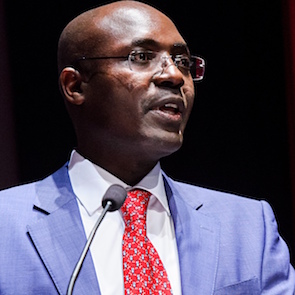
Rafael Marques de Morais
“I have only the interests of my people at heart and to experience all this persecution, it must mean you are doing something positive, something right.”
- Rafael Marques de Morais
“There is an urgent, perilous, constant and growing threat. Each of us needs to stand up, speak up and take action, to effect positive change wherever we can, however we can, each and every day".
- Peter A. Allard
Angolan journalist given suspended jail term over blood diamonds book
This week I may be jailed for writing a book on human rights abuses
Exposing high-level corruption is a dangerous act in Angola. Journalist and human rights activist Rafael Marques de Morais is all too aware of the risks, having been imprisoned in 1999 after denouncing the Angolan government for corruption and embezzlement in a newspaper article. In spite of his detention and ill-treatment, Marques continued with his efforts to reveal the corrupt practices of those in power.
I didn't choose to be different....I keep fighting because I believe in a better country, in a better people, and I believe in being part of a society that stands by its moral values, by principles that go beyond what are the forces of destruction. Corruption is a force that can destroy a society. - from video for Transparency International award
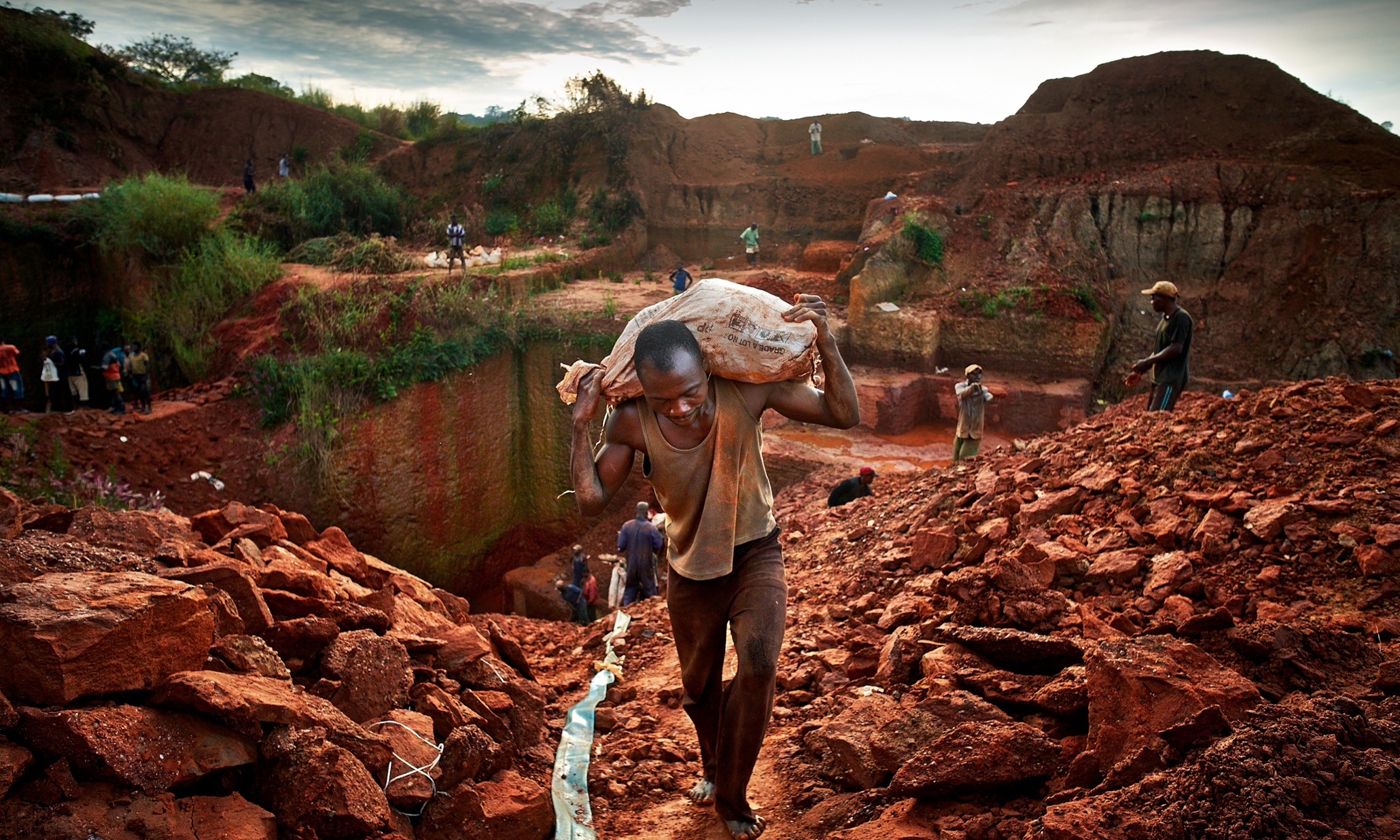
Rafael Marques de Morais is a prominent Angolan journalist and human rights defender whose work focuses on government corruption and abuses in the diamond industry. He is also the founder and director of Maka Angola, an initiative dedicated to the struggle against corruption and the promotion of democracy in Angola. His book Diamantes de Sangue: Tortura e Corrupção em Angola (Blood Diamonds: Torture and Corruption in Angola) published in 2011 details dozens of cases of killing, hundreds of cases of torture, forced displacement and intimidation against villagers and diamond diggers in Cuango and Xá-Muteba districts in Lunda Norte province of Angola.

Human rights defenders in Angola have been victims of arrests, judicial harassment, physical attacks, threats and defamation campaigns. Freedoms of peaceful assembly and expression are limited. Human rights defenders working on civil and political rights and journalists criticizing the government are especially at risk.

